
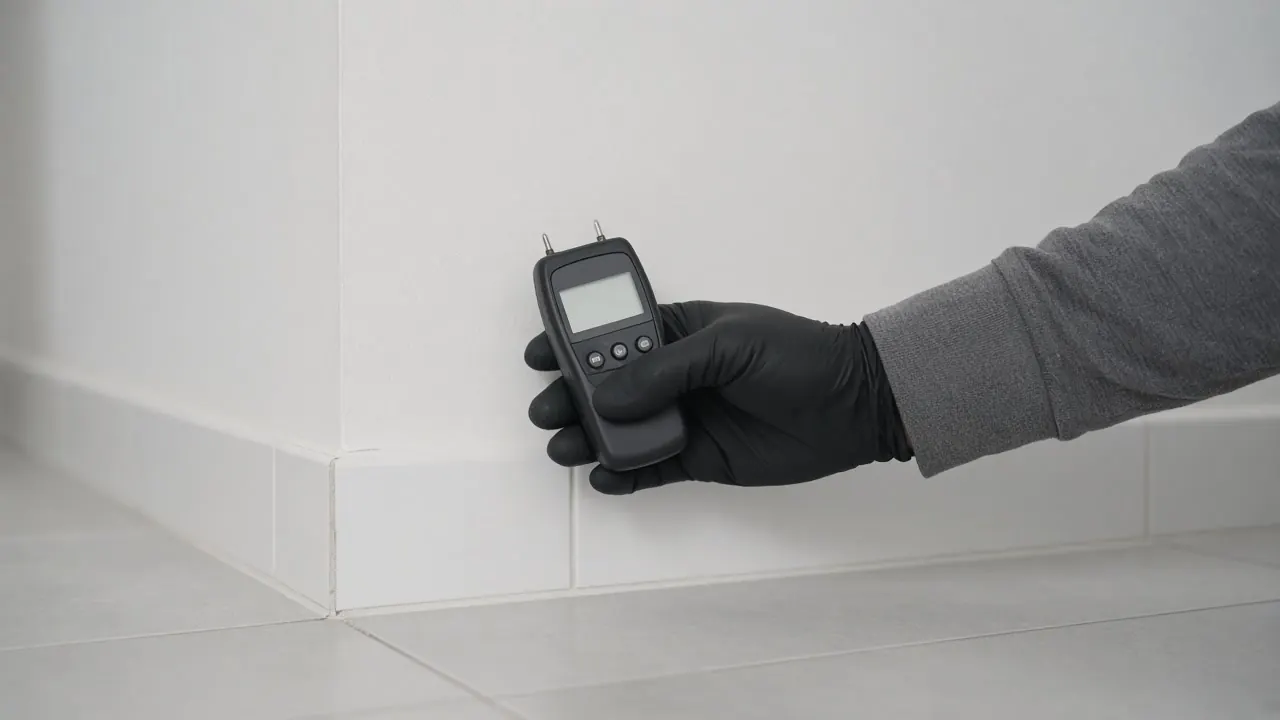
Start with size and wetness
Florida's mold licenses begin at 10 square feet of growth, about a 3 by 3 foot patch. (Fla. Stat. 468.8411) EPA says an owner can usually handle a moldy area smaller than that. Where there has been a lot of water damage, or the growth is bigger, EPA directs readers to its guidance for larger buildings. (EPA)
So the first two questions are plain. How big is it, and was the building soaked or only spotted?
You probably do need an assessor if
- The growth is bigger than about 10 square feet, or you cannot tell.
- The stain returned after you cleaned or painted.
- You smell mold but see nothing, which suggests a wet cavity.
- A condo board, landlord or insurer disputes the cause.
- You are planning remodeling that will open walls.
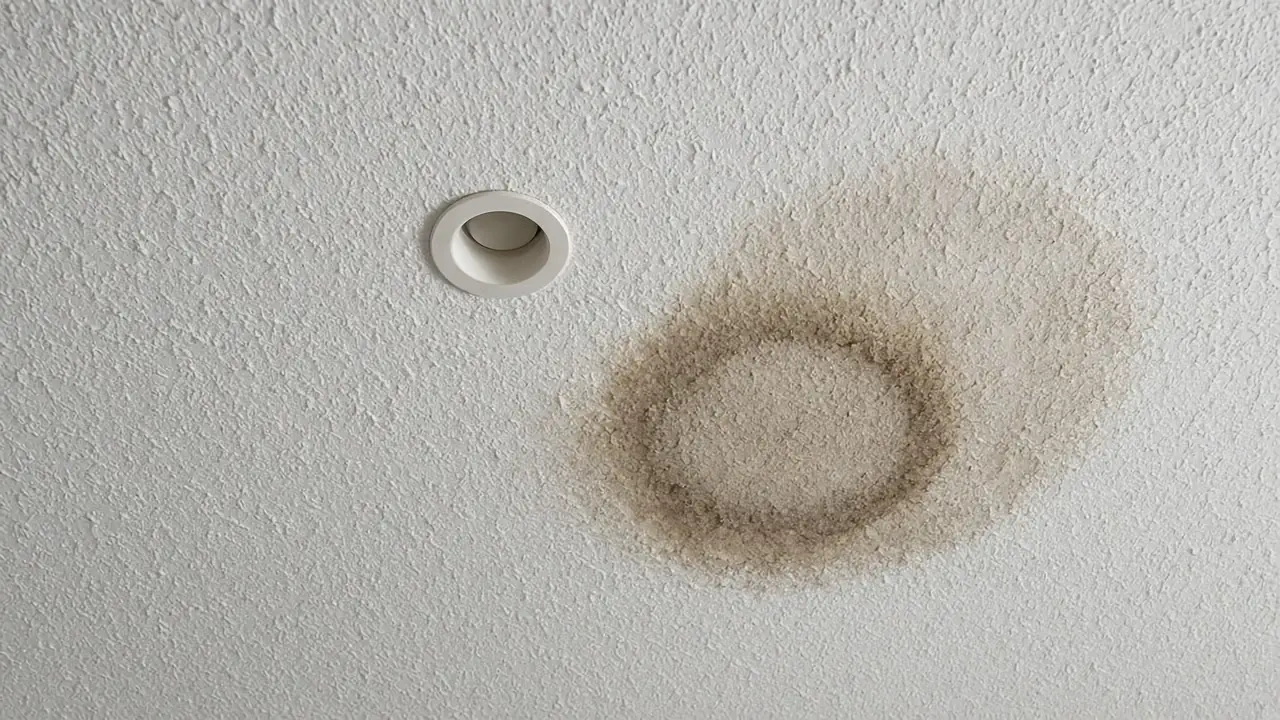
You may not need one if
- The patch is small and on a hard surface.
- You know the cause and it is fixed, such as a faucet drip.
- The area dried within a day or two of getting wet.
Even then, watch the area. A patch that returns within a month is telling you the source is not fixed.
Sampling is rarely the point
In most cases, EPA says sampling adds little when growth is visible. (EPA) Federal agencies have set no limits for mold or spores, so a lab result cannot show that a building meets a federal standard. (EPA) Ask the assessor how the visit will look for moisture, and whether it uses meters. Be wary of a pitch that is mainly about lab kits.
Owner exemption
A Florida residential owner can assess mold on their own property without a license. (Fla. Stat. 468.841) You can do that for a spot in your own house. It does not give you authority over a building you rent or the hallway of a condo. And the owner exemption does not mean the result will be worth much to an association or an insurer.
The 12-month wall
If you decide to hire, ask the assessor how they work with a cleanup firm. An assessor may not clean up the same structure within 12 months, and a remediator may not assess one it cleaned, (Fla. Stat. 468.8419) unless the firm is a Division I contractor certified under Florida law. (Fla. Stat. 468.8419) We connect you with two different companies.
What the contract should say
The contract has to be in writing and signed. An assessment contract does not have to include repair cost estimates, so the price of the cleanup comes from a second company. (Fla. Stat. 468.8422) Ask for the license number and the scope of the report. Ask what the report will include and when you will see it.
Permits and small projects
Miami-Dade says a state law, effective July 1, 2026, lets some small jobs under $7,500 on single-family homes, duplexes and townhouses go ahead without a building permit. Units in multi-family buildings do not qualify, nor do properties in a flood hazard area, and electrical, plumbing, structural, mechanical and gas work still needs a permit. (Miami-Dade County) If your cleanup involves opening walls, ask your contractor who issues the permit for your address.
Questions to put to the assessor
- Will you look inside the AC closet, behind baseboards and under the sink, or only at the stain?
- What moisture readings will you take, and will they appear in the report?
- Will you take samples, and if so, what question would they answer?
- Does your report include a scope of work I can give to any cleanup company?
A short, specific answer to each is a good sign. A long answer about spore counts and no answer about water is not.
Think about what happens next
An assessor's report is useful mainly because someone acts on it. Before you hire, ask yourself who will read it: a condo board, a landlord, an insurer or only you. If the reader is a third party who may dispute the cause, an independent written finding is worth the visit. If the reader is only you, and the patch is small and the leak is fixed, check the spot again within a day or two, and if it grows or smells, book an assessment.
A simple way to decide
- Measure the patch and write the number down.
- Find and stop the water.
- If the patch is over 10 square feet, stained again or unexplained, ask for an assessor.
- If it is small and the cause is fixed, clean it, dry it and recheck in a month.
Send us the address and your phone number, and give the assessor your measurements at the visit. We connect you with a local assessor, and the $100 credit goes toward the first job you book, after it is quoted.