
Miami-Dade County, from Aventura to Homestead
Water Damage Drying in Miami-Dade, Before the 48 Hour Line
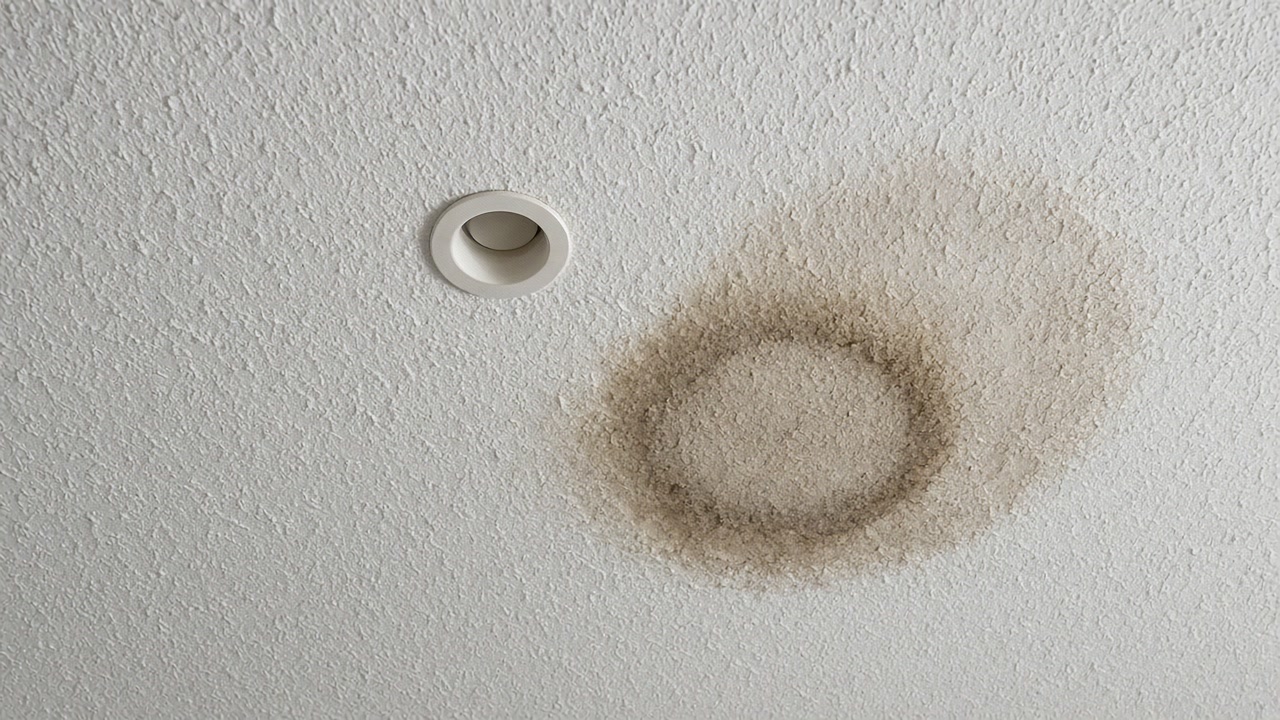
Water came through the ceiling from the unit above, the AC drain backed up into the closet, or the power was off for days, and you want the place measured and dried before a leak turns into a mold job.
Water Damage Drying quote
Say when the water arrived, where it came from, and whether anything is still wet. Inside the first two days that is usually enough to tell whether this is a drying job or already a mold job.
Would you rather talk it through? Call (315) 640-3590.
$100 off your first job
Credited by us on your first booked job.
- One credit per customer per property, on your first booked job.
- Valid through December 31, 2026.
Mention this offer when you book. Full terms.
Why a Miami-Dade leak is a drying job for two days, and a mold job after
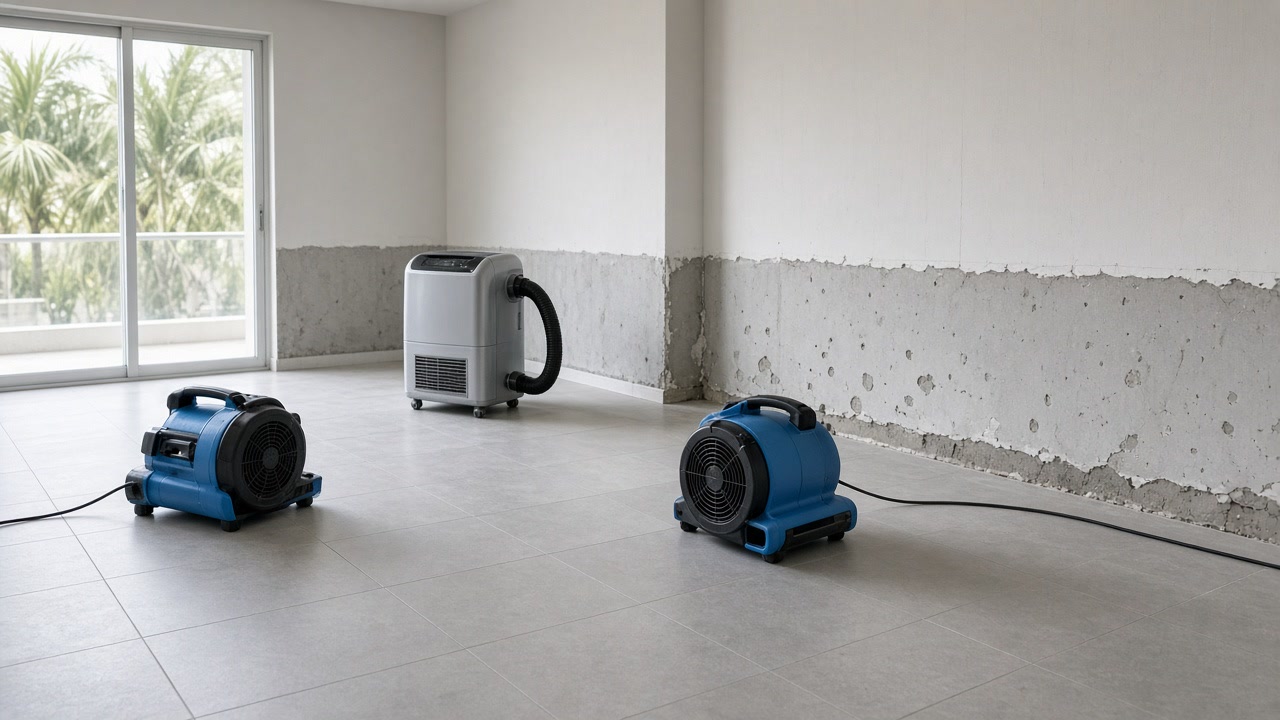
The water is happening now, or it has only just stopped: the condensate line backed up and the closet carpet is soaked, the water heater let go, the bathroom upstairs overflowed through your ceiling, or the power went out and the place sat shut in August. Drying is the job that decides whether the drywall stays. EPA's guidance is to dry water-damaged areas and items within 24 to 48 hours to prevent mold growth, so inside that window this is usually a drying job, and past it, it may be a mold job. A drying crew extracts standing water, opens only what the readings say is wet, sets dehumidifiers and air movers, and logs moisture every day until the materials match a dry reading taken elsewhere in the same unit. We arrange that crew. If the readings show growth already, the next step is a licensed assessor, not more fans.
- Water extraction from carpet and pad, tile, wood and laminate, and the slab underneath
- Moisture mapping with meters and thermal imaging to find where the wet actually ends, including behind baseboards and under the shared wall with the next unit
- Drilled holes or a low flood cut in drywall only where the cavity reads wet, rather than a cut around the whole room
- Low grain refrigerant dehumidifiers and air movers sized to the space and to the indoor conditions on the day
- A dry standard taken from unaffected material in the same unit, and daily readings logged against it
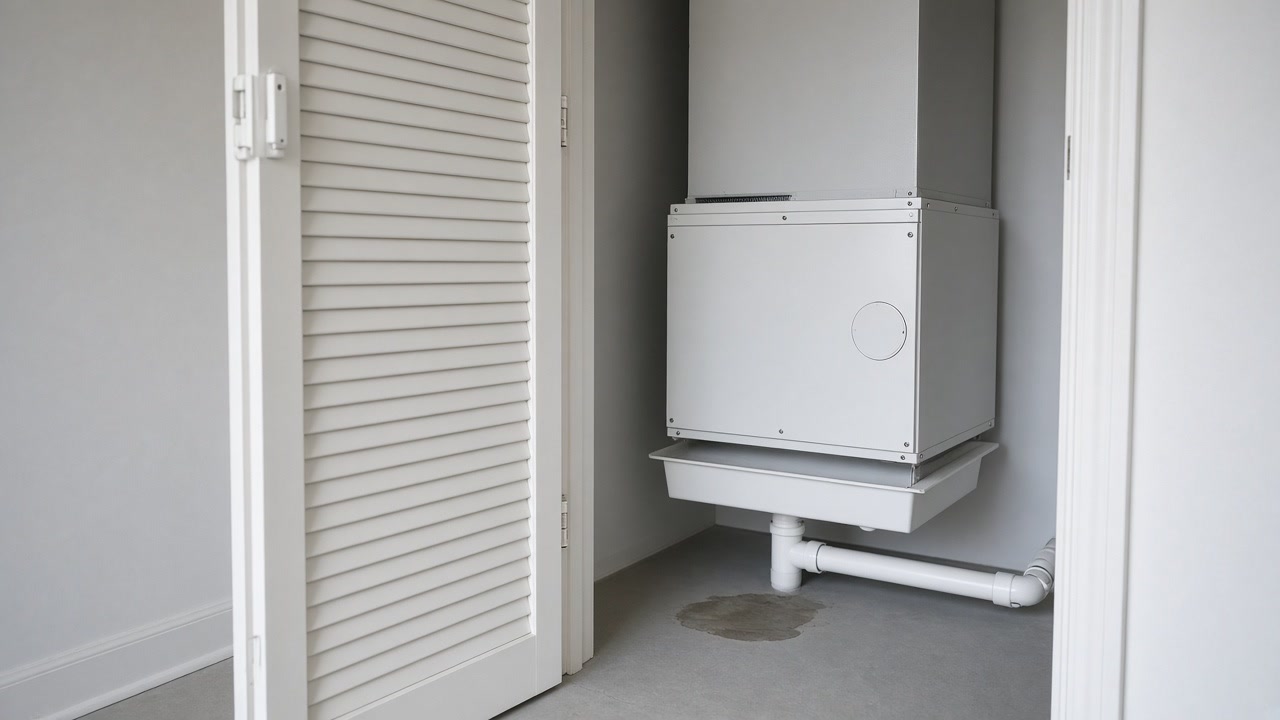
- Toe kicks pulled and cabinet voids dried, and the floor under the AC closet platform opened where water collected
- Coordination with the plumber or AC contractor who stops the water, and with the manager when it came from another unit
- A photo and moisture log for the insurer and the association
- Handover to a licensed assessor if growth turns up during the dry out
What decides a dry out in a humid, air-conditioned county
The clock matters more here than the gallons. How long the water sat, whether the AC was running, and whose water it was decide the job more than how big the puddle looked.
Hours since the water arrived
EPA's window is 24 to 48 hours to dry wet materials and prevent mold growth. A leak found the morning after is a different job from one found when you come back in October.
Whether the power and the AC stayed on
EPA's mold course says an HVAC system removes moisture from the air, and that when it is turned off humidity can rise greatly. At Miami International the mean dew point is 69.9F or higher every month from May through October, so a unit shut without cooling picks up moisture with no leak at all.
Clean, gray or black water
A supply line is clean water; a backed-up drain or floodwater is not, and it changes what can be kept. It changes the policy too: Citizens' own homeowners and condo forms list water backup of sewers and drains as not covered, so read your declarations for your own terms.
Whose water it was
Section 718.111(11)(j)1 makes a unit owner responsible for repair costs to condominium property not paid by insurance when the damage came from their negligence or a breach of the rules. When the water came from upstairs, the dated moisture log is the record both owners will be looking at.
Whether floodwater came in from outside
The NFIP standard flood policy does not cover mold damage that results from failing to inspect and maintain the property after a flood recedes. A dated drying log is a plain record of what was done and when; ask your agent what else they want to see.
What the floor and walls are made of
Tile on a slab dries from the top only. Carpet and pad hold water against it. Drywall on furring strips over block can hide a wet cavity behind a dry-looking face. Each changes the equipment and the days.
Whether anyone was home
The ACS estimates count 50,471 Miami-Dade housing units vacant for seasonal or occasional use. A leak in an empty unit runs until someone notices, so the start of the clock is often a guess the readings have to settle.
Wet now, or wet since the weekend?
Tell us the hour it got wet and where it came in. That usually settles whether the material can be dried in place, and asking carries no obligation.
The water stops, the readings start: a dry out in order
Stop the water and photograph it
Close the shutoff for the fixture or the unit, clear the condensate line or get the AC contractor to, and photograph where the water is before anything is moved.
Tell the association in writing if it crossed a unit line
Florida's condominium act lets the association decline losses a unit owner knew about and reported only after its own claim was settled. A short dated message now avoids that argument later.
Extract what is standing
Water comes out of carpet, pad and the slab first, because every gallon removed by extraction is one the dehumidifiers do not have to pull from the air.
Map the wet and set the dry standard
Readings go outward from the source until materials read normal, and a reading from an unaffected wall in the same unit becomes the target.
Set the equipment and read it daily
Dehumidifiers and air movers run with the AC on, and each day's readings are logged against the dry standard, with equipment moved as areas dry.
Confirm dry, or hand it on
When every reading meets the standard, the equipment comes out and the log is yours. If growth is found on the way, a licensed assessor takes over before anything else is cut.
Rebuild what was opened
Any drill holes, flood cuts or removed baseboard are closed up by the rebuild trade once the space is confirmed dry.
What water damage drying looks like
Where drying ends, and when a fan and the AC will do
When you may not need this at all
- A small clean-water spill on tile, caught at once and wiped up, rarely needs a crew. Keep the AC running and check the room with a humidity meter: EPA advises keeping indoor humidity below 60 percent, and a meter costs about $10 to $50 at a hardware store.
- If the drywall and the floor read dry two days after the leak, the job is done without anyone.
- If it has been weeks and there is visible growth, drying alone is too late. The next step is an assessment.
- If the water came from the building rather than a unit, the association repairs condominium property damaged by an insurable event as a common expense under section 718.111(11)(j). Ask the manager whether it is sending its own crew.
- If the power was out but nothing got wet and the unit smells normal once the AC is back, there is nothing to dry.
What is out of scope
- Mold removal over 10 square feet, which is licensed remediation work and goes to a licensed remediator.
- Repairing the source: plumbing, AC and roof repairs belong to those licensed trades.
- Rebuild of drywall, paint, baseboard and flooring once the space is dry.
- Handling your insurance claim. For residential policies issued on or after January 1, 2023, an assignment of post-loss benefits is void under Florida law, and nobody here asks you to sign one.
- Flood elevation, structural or building envelope work.
- Any medical opinion about the people living in the unit.
Water damage drying arranged across Miami-Dade
- Water Damage Drying in Miami
- Water Damage Drying in Hialeah
- Water Damage Drying in Miami Beach
- Water Damage Drying in Coral Gables
- Water Damage Drying in Homestead
- Water Damage Drying in Aventura
- Water Damage Drying in Cutler Bay
- Water Damage Drying in Miami Lakes
- Water Damage Drying in Sweetwater
- Water Damage Drying in Key Biscayne
Questions from owners who came home to water, or to a smell
We were away all summer and came back to a musty smell. What happened?
Most often the AC was off, set high, or its drain line stopped. EPA notes that when an HVAC system is off humidity can rise greatly, and Miami's dew point stays near 75F through July, August and September. A moisture and humidity check shows whether anything is actually wet or grown. If it is only damp air, the AC and a dehumidifier may be all it needs.
The unit above leaked into my ceiling. Who pays for drying it?
It depends on the cause and on your declaration. Florida's condominium act puts costs not paid by insurance on the owner whose negligence caused the damage, and makes the unit owner responsible for insuring finishes inside the unit. Report it to the association in writing, photograph it, and keep the drying log. Who pays is a question for your insurer, the association or an attorney, not for a drying crew.
The power was out for days after a storm. Do I need a dry out?
Only if something got wet. During Hurricane Irma a Florida Public Service Commission report counted 80.9 percent of Miami-Dade electric accounts out at the peak, so a long outage is a real risk here, but heat alone is not water damage. Check under sinks, in the AC closet and at windows once power returns, and ask for readings if anything feels damp.
Will the drying company ask me to sign over my insurance benefits?
It should not. For residential policies issued on or after January 1, 2023, section 627.7152(13) makes any assignment of post-loss benefits void. You keep the claim, and you pay the contractor under your own written agreement with it.
How long does a dry out take?
As long as the readings say. The job ends when every logged reading meets the dry standard, not on a set day, which is why the daily log matters more than any estimate given at the start.
Can I dry it myself?
For a small clean-water leak caught early, often yes: extract what you can, keep the AC running, run a rented dehumidifier and check with a meter. It becomes a crew job when water has soaked carpet and pad, got into a wall cavity, or came from outside or a drain.
Tell us what is wet and how it got that way
The room, the source, and whether it crossed from another unit. Two sentences is plenty, and a person reads every one before writing back.