
Water Damage Drying in Hialeah Through the Rainy Season
A drying crew gets rain water out of a Hialeah floor and the base of its walls, measures where the wet stops, and logs the readings daily until the materials are dry.
Water Damage Drying quote in Hialeah
Tell us what you can see or smell, where it is, and whether it is a condo or a house. Those three answers decide who you need and who is likely responsible, which matters more here than the size of the stain.
Would you rather talk it through? Call (315) 640-3590.
$100 off your first job
Credited by us on your first booked job.
- One credit per customer per property, on your first booked job.
- Valid through December 31, 2026.
Mention this offer when you book. Full terms.
Why Hialeah drying jobs cluster between May and October
In Hialeah the water that needs drying usually arrives from outside, and it arrives in season. The 1991 to 2020 normals for Miami International put 51.64 of the year's 67.41 inches of rain, about 77 percent, between May and October, with June and September the wettest months. The county's mitigation plan puts 21,569 of Hialeah's 66,725 mapped buildings in flood zone AH and 4,478 in AE. When heavy rain sits against a wall or comes in at the door, EPA's guidance is to dry water-damaged areas within 24 to 48 hours, so the first reading should not wait for the weekend.
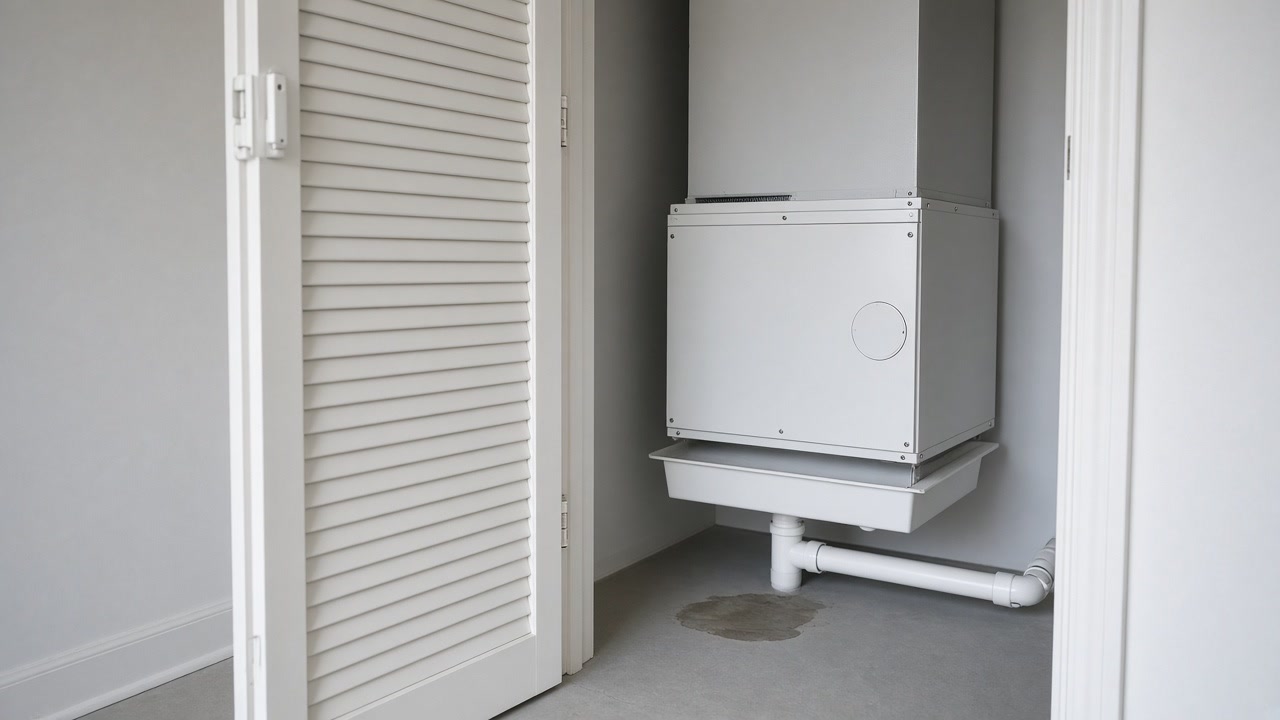
What water damage drying involves in Hialeah
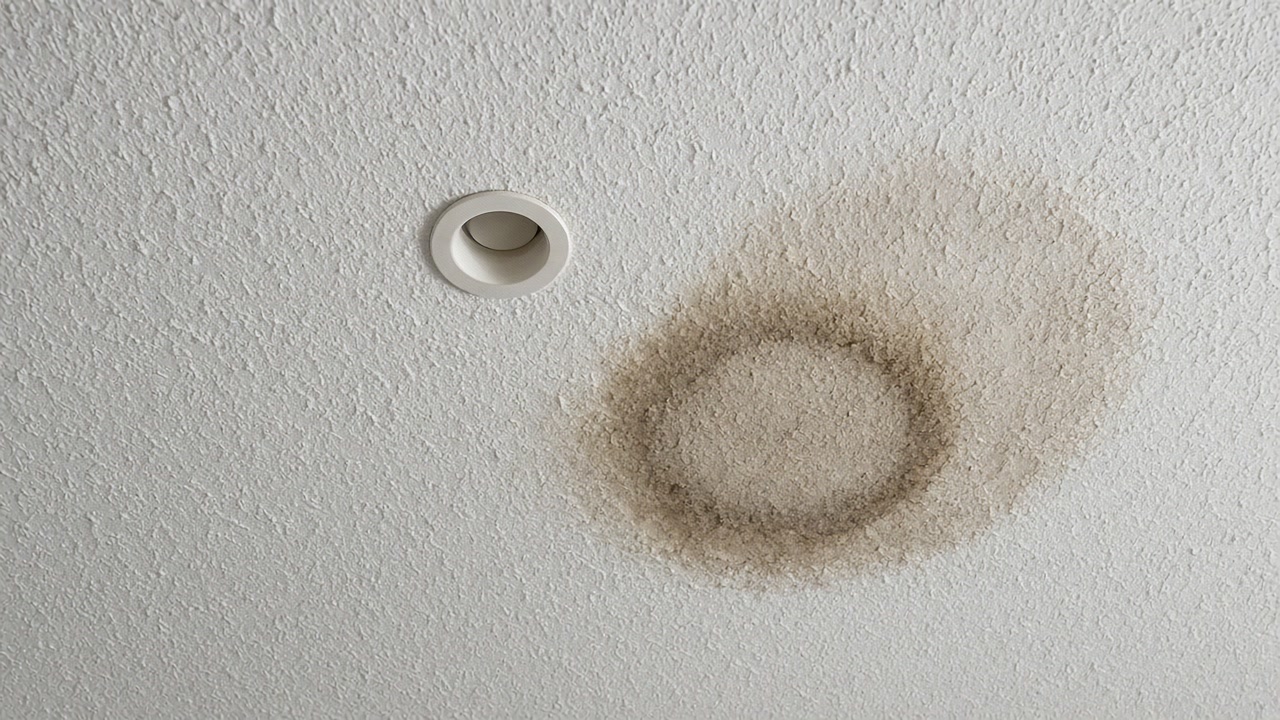

Rain water in a Hialeah home: dry it or cut it out
Rain water is not clean water. What crossed a yard or a street into the house carries soil and whatever else it met, so carpet, pad and the bottom of drywall it soaked are more likely to be cut out than dried in place. Ask for readings before anyone promises either. If you carry flood cover, read it now: the federal flood policy does not cover mold that results from failing to inspect and maintain the property after a flood recedes, so a dated drying log is worth keeping. If you rent, and 53.4 percent of Hialeah households do, send the landlord photographs the day it happens.
How the water got in
Under the door, through a wall, or from a pipe inside. Outside water changes what can be kept.
Hours since the floor got wet
Inside 48 hours, drying in place is often realistic. After that, ask for readings first.
Whether you have flood cover
If so, the drying log is part of your record. Keep it.
Hialeah's zone AH map and Miami's rainy season, sourced
The Local Mitigation Strategy counts 220 residential repetitive loss properties in Hialeah in 2024, more than any other municipality in its table (unincorporated Miami-Dade has 652). Of 66,725 buildings mapped in Hialeah, 21,569 are in flood zone AH and 4,478 in zone AE, about 39 percent in a special flood hazard area.
Source: Miami-Dade County Local Mitigation Strategy, Part 5: NFIP and CRS (September 2025), Tables 8 and 12, accessed 2026-09-23
The 1991 to 2020 normals for Miami International give 4,659 cooling degree days a year against 104 heating degree days, with no month below 156 cooling degree days. Normal annual precipitation is 67.41 inches, of which 51.64 inches, about 77 percent, falls from May through October; June (10.51 inches) and September (10.22 inches) are the wettest months, and the station averages 141 days a year with measurable precipitation.
Source: NOAA National Centers for Environmental Information, 2023 Local Climatological Data Annual Summary with Comparative Data, MIAMI, FLORIDA (KMIA), WBAN 12839, accessed 2026-09-23
EPA: 'It is important to dry water-damaged areas and items within 24-48 hours to prevent mold growth.' And: 'If the moldy area is less than about 10 square feet (less than roughly a 3 ft. by 3 ft. patch), in most cases, you can handle the job yourself'; where there has been a lot of water damage or growth covers more than 10 square feet, EPA points readers to its guidance for larger buildings.
Source: US Environmental Protection Agency, A Brief Guide to Mold, Moisture and Your Home, accessed 2026-09-23
The NFIP Standard Flood Insurance Policy Dwelling Form (44 CFR Part 61, Appendix A(1)) does not insure 'Water, moisture, mildew, or mold damage that results primarily from any condition' within the insured's control, including 'Failure to inspect and maintain the property after a flood recedes'. It also excludes loss from 'Power, heating, or cooling failure unless the failure results from direct physical loss by or from flood to power, heating, or cooling equipment on the described location.'
Source: US Government Publishing Office, Code of Federal Regulations, 44 CFR Part 61 Appendix A(1), Dwelling Form (October 1, 2025 edition), accessed 2026-09-23
Hialeah has 79,130 housing units in the ACS 2020 to 2024 estimates, and only 2.6 percent are vacant. 59.6 percent were built before 1980, 38.0 percent are single-family detached and 27.3 percent are in buildings of 20 or more units; 53.4 percent of occupied units are renter occupied.
Source: US Census Bureau, American Community Survey 2020 to 2024 5-year estimates, table DP04 Selected Housing Characteristics, Hialeah city, Florida, accessed 2026-09-23
Did the Hialeah water come in from outside?
Say whether it was under a door, through a wall or from a pipe, and how long ago.
If the Hialeah water sat too long: an assessment
Hialeah questions about rain at the door
Rain came under the door of my Hialeah house. Can the tile floor just be mopped?
Tile on a slab often dries with fans and the AC once the surface water is gone. What matters is the base of the drywall and anything under the baseboard. A moisture reading along the wall tells you whether it wicked up.
It happens every heavy storm in Hialeah. Is drying enough?
Drying deals with this time. If water keeps getting in at the same place, the cause is grading, a door threshold or the wall itself, and that needs the trade that fixes it, or the drywall will be wet again next season.
Tell us where the Hialeah rain got in
A person reads it and writes back with drying first and the source second. There is nothing to sign.