
Mold removal in Miami-Dade, starting with whose water it is
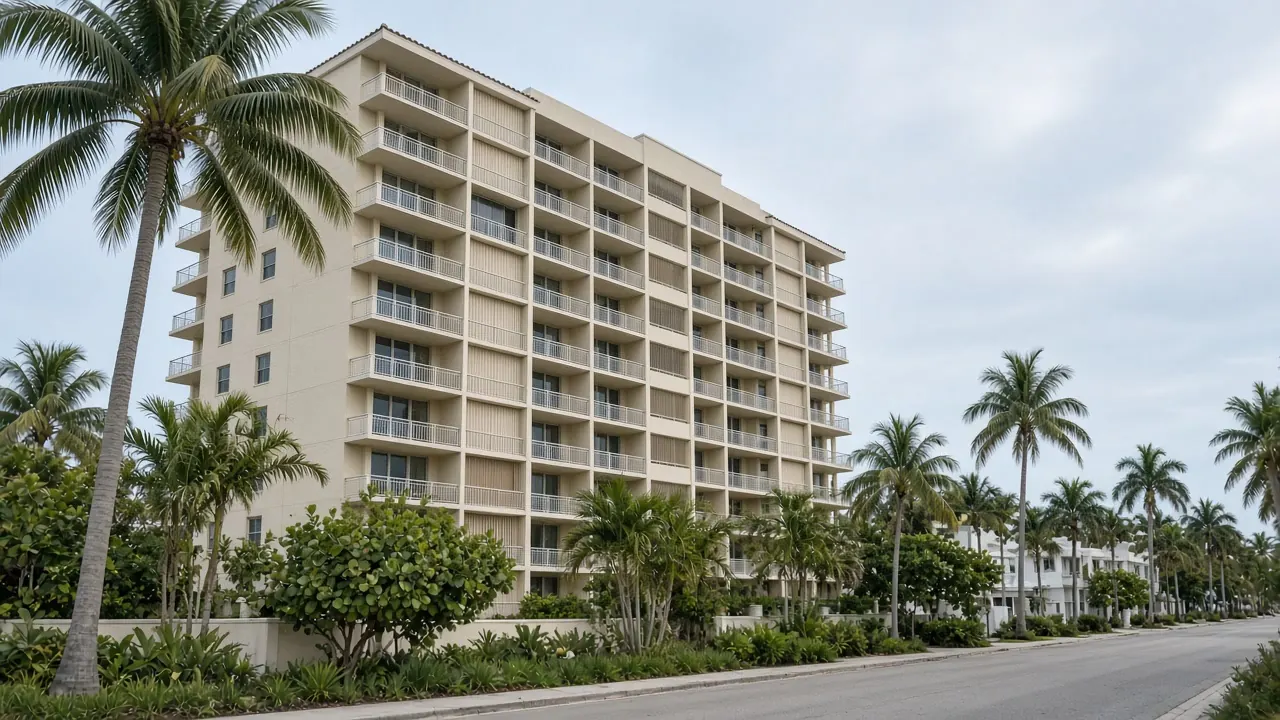
Found a musty smell, a dark stain or water damage in your Miami-Dade condo or house? Send the address and your contact details. We connect you with a local assessor, remediation company or drying crew, and you learn who usually pays before you spend anything.
We pay a $100 credit on your first job booked here. Send the form below or tap to call.
Request a callback
Add the address and how to reach you. We ask about the damage when we reply.
What happens after you send it
- You get a replyWe contact you about the address you sent.
- A local companyWe connect you with one for this job.
- You decide nextAsking costs nothing and commits you to nothing.
Answers before you ask
My condo ceiling is stained. Who do I call first?
Write to the association first, with photos and the date you noticed it. If the water came from a common pipe or the roof, the building usually handles that part. Meanwhile, an assessor can tell you what is inside your unit's walls.
How big does the patch have to be before I need a pro?
Florida's mold licenses apply above 10 square feet, about a 3 foot by 3 foot patch. A residential owner working on his or her own home is exempt at any size. (Fla. Stat. 468.841) Below 10 square feet, the license rules do not apply. If the surface is soaked, or the stain keeps returning, get someone to look anyway.
I closed the house for the summer and it smells musty. What now?
Open it up, run the AC if its closet and drain line are dry and nothing smells musty at the vents, and check where the humidity sits. A meter shows how damp the air is. If you find growth on walls, ceilings or closets, measure it before you decide who to call.
My AC runs all day. Why is there still mold?
A running AC removes moisture only while the drain line and pan work. A clogged condensate line can drip into the closet and soak the wall behind it. Keep the drain line unobstructed and the pan clean.
Will my homeowner policy pay for mold?
Read the mold section of your own policy. Citizens' own HO-3 worksheet, for example, lists a $10,000 limit for fungi, rot and bacteria. (Citizens) Your insurer sets its own terms. Never sign a claim over to a contractor, and ask your insurer first.
My garage flooded during a king tide. How fast should I dry it?
As fast as you can, since soaked materials left alone are the ones that end up coming out. Move contents off the floor and ask a drying crew about the slab edge and the bottom of the walls. A flood policy, if you carry one, has its own rules about upkeep after the water leaves.
Will I be pushed into lab tests or work I do not need?
Ask every company what each line item changes about the job. A written scope from the assessor lets you compare cleanup quotes on the same terms. Sign nothing until you have read the contract, and never sign over an insurance claim.
Who pays the $100, and does my quote change?
We pay the $100 credit once a job is booked through this site and quoted. The contractor's normal price does not change. One credit per customer per property, for jobs booked by December 31, 2026. Ready to claim it? Send the form on this page or call.
Whose water is it?
Where the water came from decides who is involved and which job you need.
- A stain or smell with no known source
A ceiling spot, a musty closet or a cool damp wall.
You or your landlord, until the source is found.Source Check - Your own AC closet or drain line
The air handler closet, drip pan or a clogged condensate line.
You, or your landlord if you rent.Source Check - The unit above, or a shared wall
Water drips from the unit above or runs in a riser wall.
The condo association for shared pipes. You for what sits inside your unit.Drying - A heater, washer or dishwasher
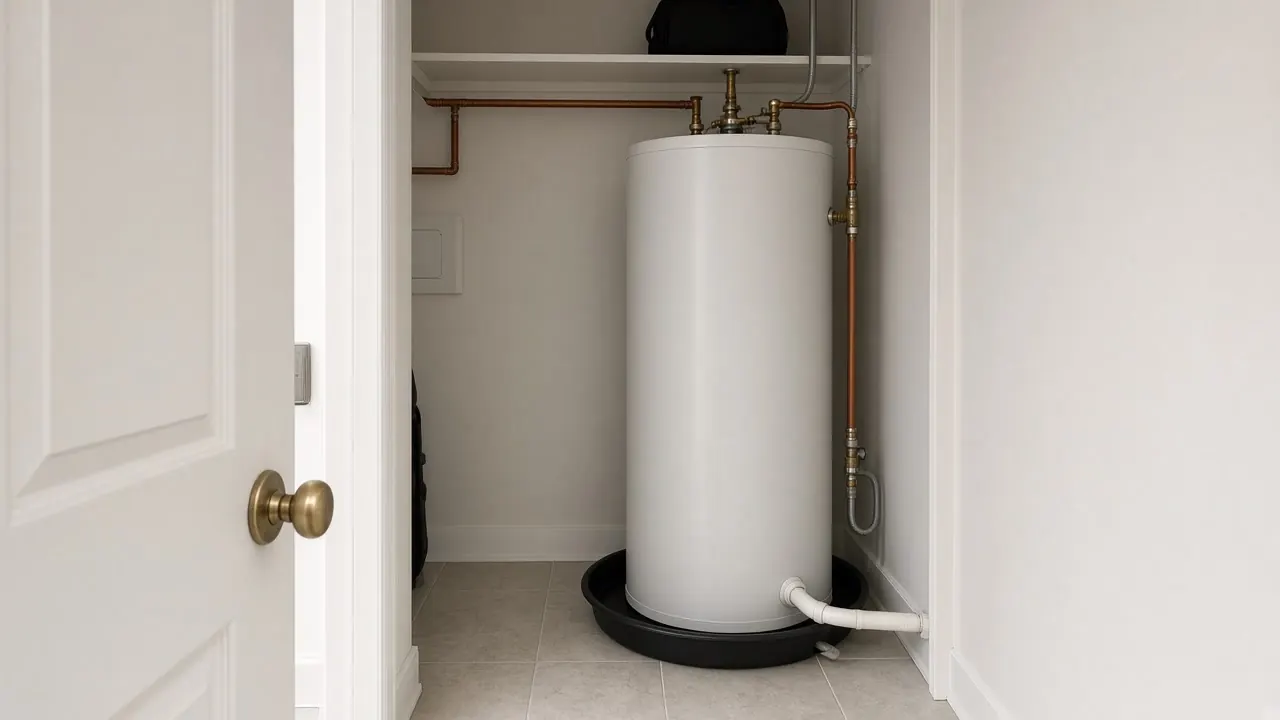
A tank let go or a hose split behind it.
You, or your landlord if the appliance came with the rental.Drying - A roof or window leak after a storm
Rain got in at a window frame, vent or roof edge.
The owner of the roof. In a condo, usually the association.Mold Cleanup - Flood water or a king tide
Water rose through the slab or a low doorway.
A flood policy, if you carry one. Read it first.Drying
Three jobs, and which one you need first
Most Miami-Dade jobs use one or two of these, in a set order. Each company gives its own price in writing, and you choose whether to book.
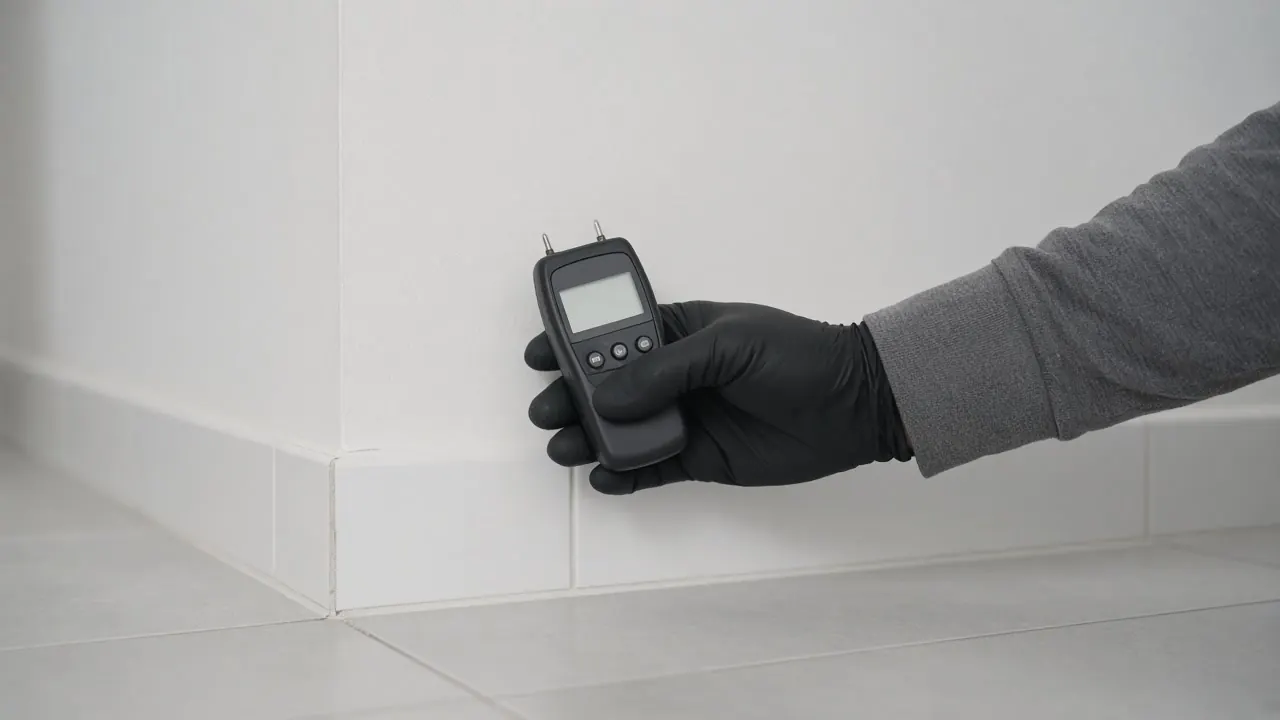
Mold Source Check and Scope of Work
A Florida mold assessor finds where the moisture comes from and writes what the cleanup must cover.
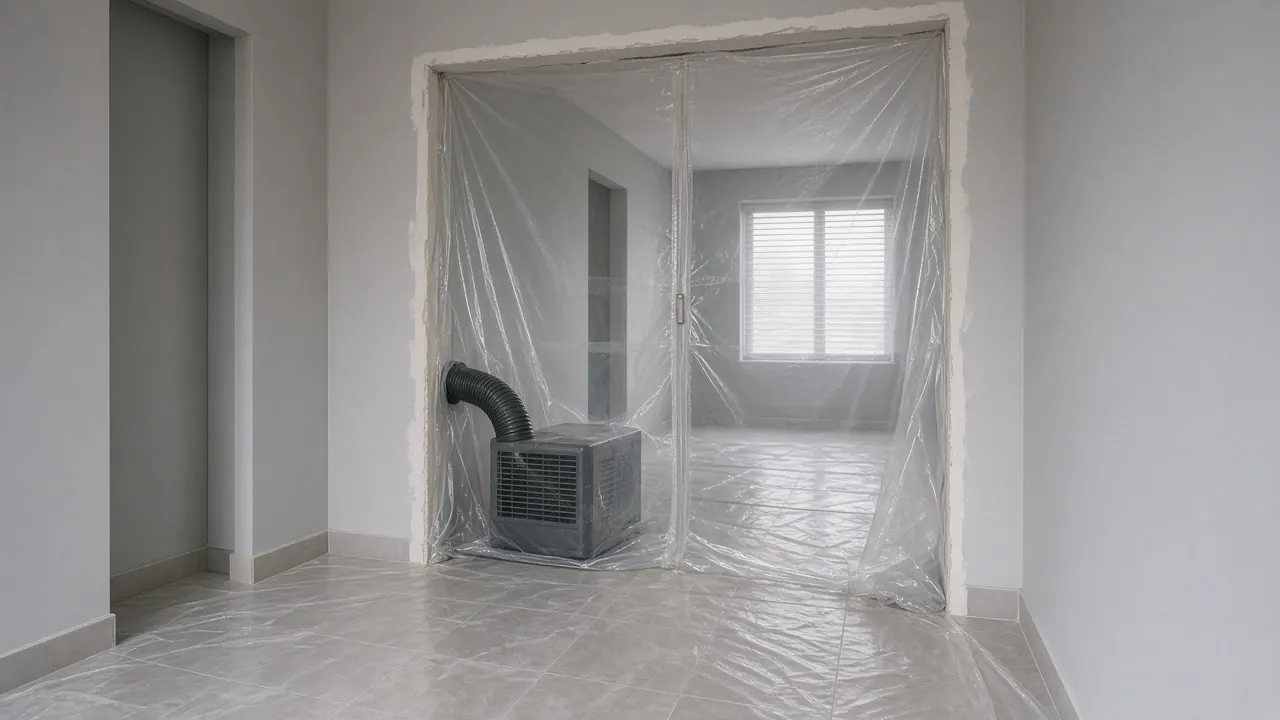
Contained Mold Cleanup
A remediation company, kept separate from the assessor, cleans or removes what the scope names.
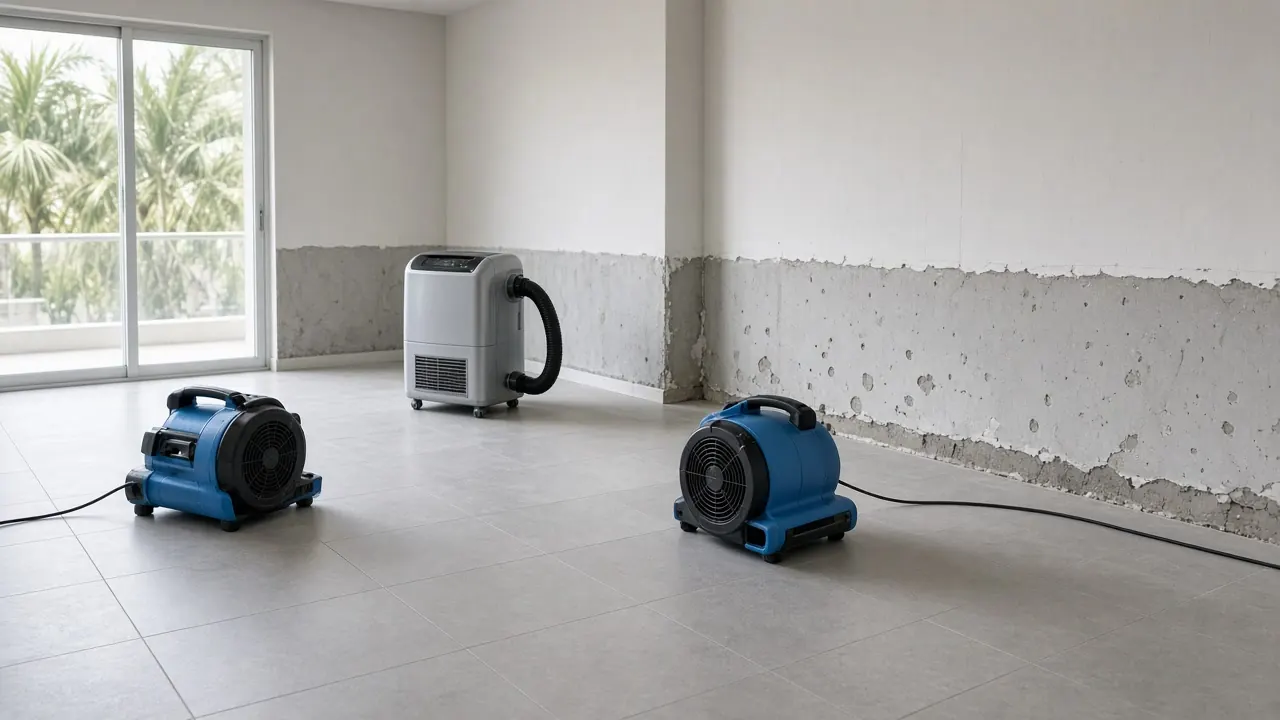
Wet Wall and Floor Drying
A drying crew pulls water out of walls, slab edges and flooring before growth can start.
What moves the cost
- Whether the source sits behind an AC closet or a riser wall
- Whether lab samples are taken at all
- Whether drywall, trim or flooring has to come out
- Stairwell height and tight access in a high-rise
- Clean, drain or flood water, which changes the drying job
- How many days the drying equipment runs
Two companies, by Florida law
The assessor
Finds the source of the moisture, takes samples where they are needed and writes the scope of work. That written scope is what the cleanup company works from.
One firm may not do both jobs on a building within 12 months, in either order. (Fla. Stat. 468.8419) The one exception is a Division I contractor certified under Florida law. (Fla. Stat. 468.8419) We connect you with two different companies.
The remediation company
Does the cleanup that the scope describes, from containment to removing the affected materials. It works from the assessor's paper, not from its own.
Who pays when water gets into a Miami-Dade home
The first question is rarely the product. It is whose pipe, roof or wall let the water in. Pick the line that sounds like you.
Condo owner
The association handles common elements such as shared pipes and the roof. (Fla. Stat. 718.113) You handle what sits inside the unit, such as flooring, cabinets and appliances. Your declaration settles the gray areas. Report in writing quickly, because late reports can cost you.
House owner
Your own policy decides what is covered, so stop the water first and read its mold section before you hire anyone. Do not sign a claim over to a contractor.
Tenant
Tell the landlord in writing, send photos and keep a copy. Section 83.51 sets a landlord's duty to follow building, housing and health codes or keep plumbing and structure in good working condition, and says nothing specific about mold. (Fla. Stat. 83.51)
Landlord
Section 83.51 asks you to meet building, housing and health codes or else keep structure and plumbing in good working condition, so deal with the water source first. (Fla. Stat. 83.51) Then bring in an assessor, and expect a different company to do the cleanup.
Sixteen places across the county
From Aventura to Homestead, each place page shows the housing, flood exposure and permit office that apply to where you live.
Central and the Beaches
South Dade
Why the source matters more here than almost anywhere
Cleaning mold off a wall while the wall keeps getting wet only hides it for a while.
South Florida stays damp for most of the year. At Miami International Airport the normal dew point stays above 60 degrees F in every month and passes 75 in July and August. (NOAA) Water that gets into a block wall can sit there for a long time. Condo risers and air handler closets hide slow leaks for months.
So the useful order is: stop the water, find out how far it spread, then clean to a written scope. Skipping the second step is how the same stain comes back above the same window.
That is also why Florida generally keeps the person who assesses apart from the company that removes, with a narrow exception for Division I contractors. (Fla. Stat. 468.8419) You get an independent read on the job before anyone quotes the work.
Unsure whether your stain is a source problem or a cleaning problem? Send the address, or call, and say where the damp is.
Read this before you sign anything
Six short guides cover the Florida rules that decide who may do the work, who pays for it and what to ask. Start with the one that matches your situation.
Florida's mold licensing line
Who may work on mold, and when
Read the guideThe Division I exception
One firm doing both jobs, and one carve-out
Read the guideMold in a Miami condo
Sort out the unit, the wall and the building
Read the guideMold and Florida insurance
Policy limits to check before you spend
Read the guideClosing up a home for summer
A checklist for AC, drains and humidity
Read the guideDo you need an assessor?
A decision list before you hire
Read the guide
The Mold Removal Miami-Dade guarantee
Sending a request costs you nothing and binds you to nothing.
The $100 credit works exactly as the Terms state. It starts once your first job is booked and quoted. Book by December 31, 2026.
Testing and removal always go to two separate companies.
If the company we introduced does not work out, call us. We will help you connect with another local company.
This promise covers the request, the introduction and the credit. The company's work is covered by your contract with it.
Signed, Mold Removal Miami-Dade, (315) 640-3590
Ready to find the right company?
A booked, quoted first job earns the $100 credit we pay.