
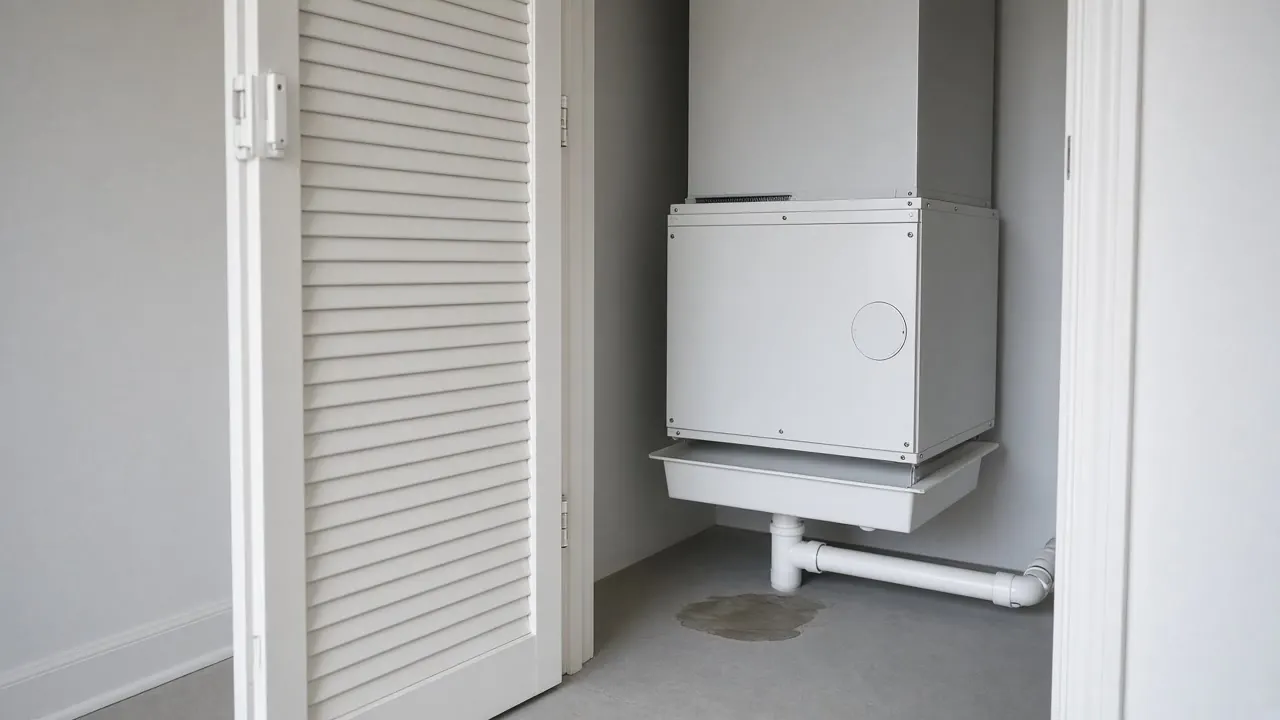
Why condos are different
About a third of Miami-Dade homes are in large buildings of 20 units or more. (U.S. Census) In those buildings the pipes, risers, roof and exterior walls are shared. One leak in the wall of the unit above can wet the units below it.
What the association handles
Florida's condominium law says the association is responsible for maintaining the common elements, except for limited common elements the declaration assigns to a unit owner. (Fla. Stat. 718.113) A balcony or a terrace door might be one of those. Check your declaration and read the part about maintenance.
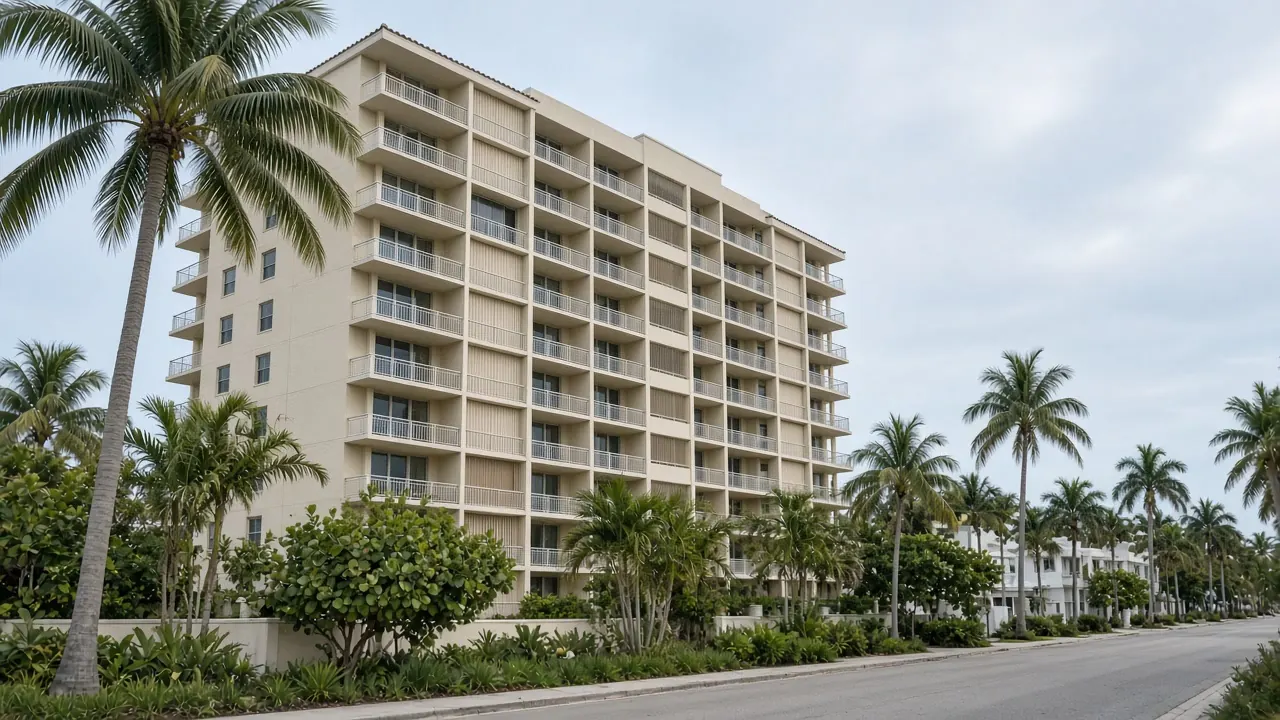
When an insurable event damages condominium property covered by the association's policy, the association repairs it as a common expense. (Fla. Stat. 718.111) When there is no insurable event, responsibility follows the maintenance provisions in the declaration and bylaws.
What you handle
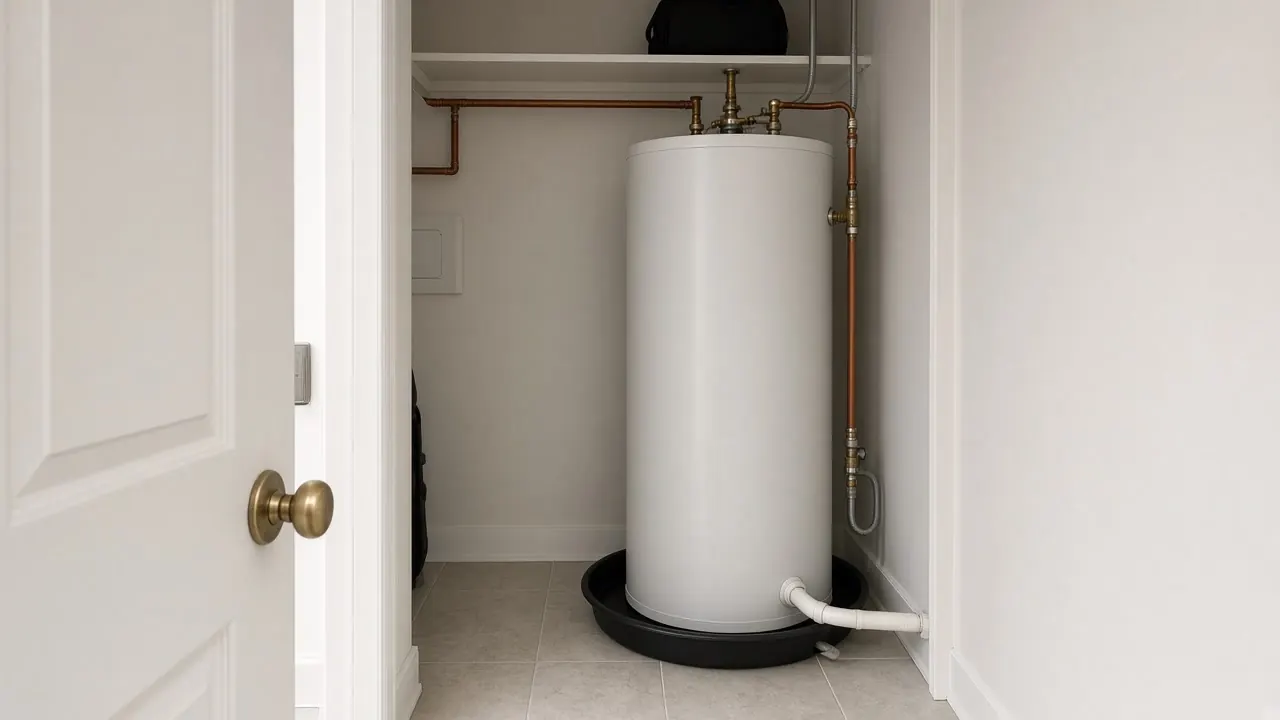
The association's policy leaves out what sits inside your unit and serves only it: flooring and wall finishes, light fixtures, appliances, the water heater, cabinets, counters and window treatments. (Fla. Stat. 718.111) Those are yours to insure. If your own water heater leaks and damages your cabinets, expect the owner side to carry it.
An owner can also be responsible for the cost of repair when damage is caused by negligence or by ignoring the declaration or rules, including by tenants and guests. (Fla. Stat. 718.111)
Why late reports hurt
The law says the association does not have to pay if a loss was known, or should have been known, to the owner and was not reported until after the association's insurance claim had been settled, resolved or denied as untimely. (Fla. Stat. 718.111) A slow stain you ignored for months is the classic case.
- Photograph the damage with the date visible.
- Send the association manager a written notice by email and keep the sent copy.
- Name the unit, the spot and what you saw, and ask who will inspect it.
- Keep the building's reply.
Hiring someone inside your unit
After a property loss, reconstruction is generally the association's job. A unit owner may do reconstruction work in the unit only with the prior written consent of the board, which may require approval of the repair methods or the contractor's qualifications. (Fla. Stat. 718.111) Get that consent in writing before you sign a contract for cleanup or rebuild.
Your own policy
A Citizens HO-6 worksheet lists a $10,000 limit for fungi, rot and bacteria coverage and a $2,000 loss assessment limit, and shows sewer and drain backup as not covered. (Citizens) Other insurers vary, so read your own declarations page. Do not sign an assignment of benefits. Florida voids those on residential policies written in 2023 or later. (Fla. Stat. 627.7152)
Older buildings add a twist
In Miami Beach, about two thirds of housing units are in buildings with at least 20 units, and about two thirds were built before 1980. (U.S. Census) Older towers often have original risers and shared drain stacks. A stain on your bathroom ceiling may come from a stack that serves several floors, which is a common-element question and not yours to fix.
When you are unsure, describe what you see without guessing at a cause. Writing "stain on ceiling, damp to the touch, first noticed on this date" gives the board nothing to dispute. Writing "your pipe is leaking" invites an argument.
What to say when the board pushes back
Associations sometimes answer that a leak is a unit problem. Ask which section of the declaration they are relying on, and ask for the answer in writing. If the water came from a shared pipe or the roof, the common element rule is on your side. If it came from a fixture inside the unit, expect the owner side to carry it. Either way, a written question moves things along faster than a hallway chat.
The practical order
- Stop or report the water source.
- Write to the association.
- Dry the unit.
- Have an assessor document the extent.
- Get the board's consent before cleanup or rebuild.
Send the building address and your contact details through the form, and give the unit number on the callback. We connect you with a local assessor and, later if needed, a separate remediation company. Your first job booked here earns a $100 credit once it is quoted.