
Two licenses, not one
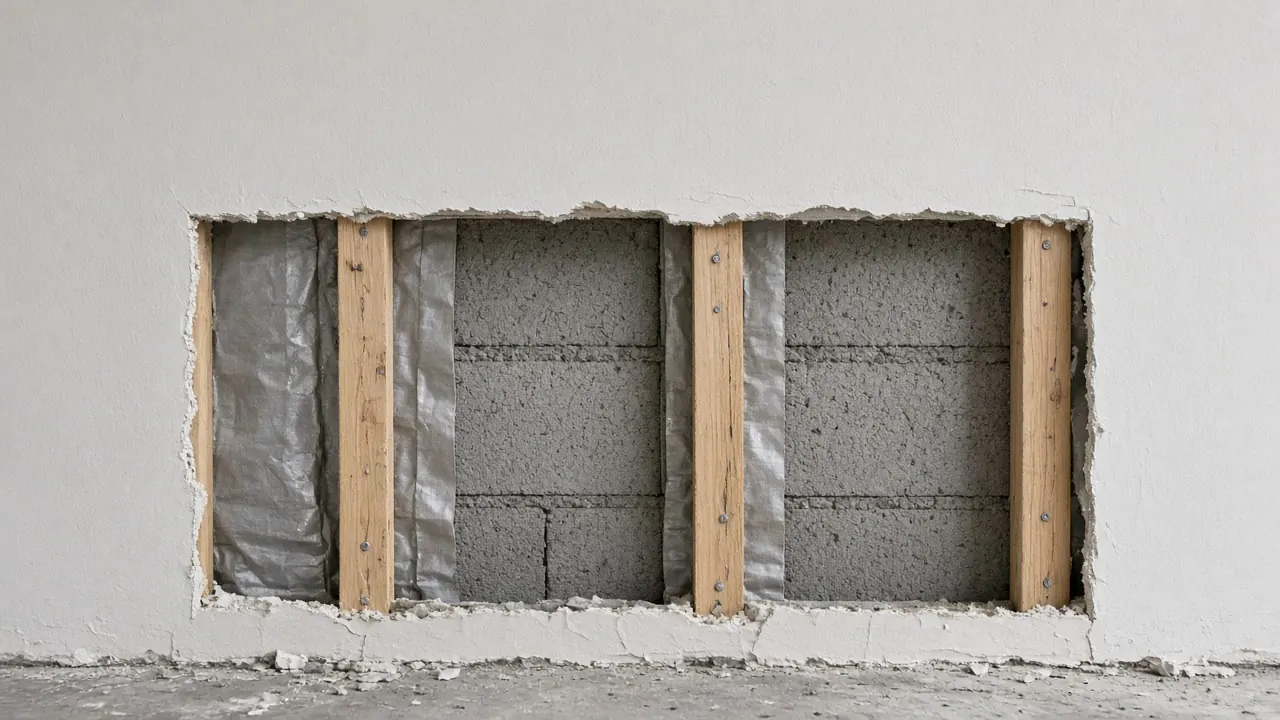
Florida's licensing agency, DBPR, has a Mold Assessor license and a separate Mold Remediator license. (Fla. DBPR) They are separate on purpose. An assessor works out where the mold came from and how far it reaches. A remediator does the removal and cleaning. A company that holds one license may not give itself the other job on the same building within 12 months, unless it is a Division I contractor certified under Florida law. (Fla. Stat. 468.8419)
Protected titles
The state protects the titles. Someone who has not complied with the licensing law may not call themselves a mold assessor or mold remediator, even with a word like professional added. If an ad uses those titles, you can check the claim. (Fla. Stat. 468.8419)
The 10 square foot line
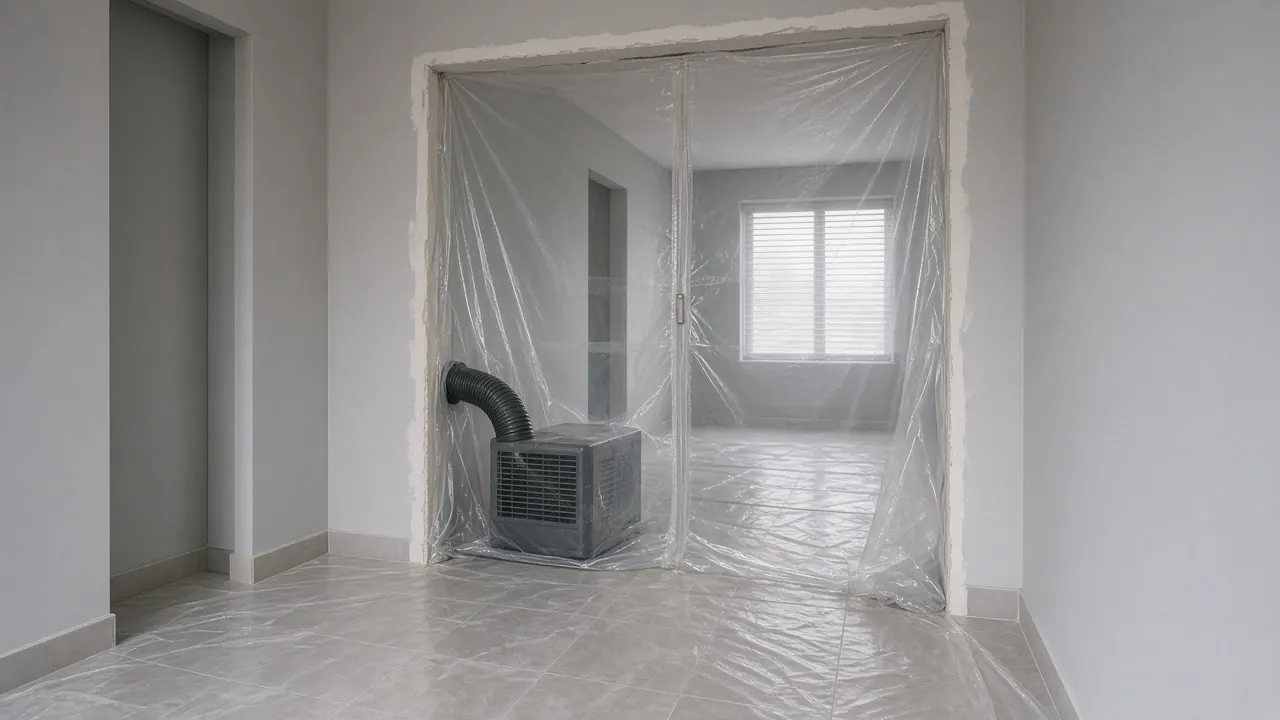
The law defines both jobs by size. A job counts as assessment or remediation when the mold covers more than 10 square feet, whether you are evaluating it or treating and removing it. That is about a 3 foot by 3 foot patch. (Fla. Stat. 468.8411)
Below that, the license rules do not reach the work. EPA's own guidance agrees in spirit, saying you can often handle a patch under about 10 square feet yourself. (EPA) Above it, or when a lot of water has soaked the building, EPA points readers to its guidance for larger jobs.
Who counts as exempt
- An owner who assesses or cleans mold in their own home, at any size. (Fla. Stat. 468.841)
- Some people working inside another license, such as a construction contractor, a pest control operator, an engineer, an architect or a home inspector, as long as they do not advertise themselves as a mold assessor or remediator. (Fla. Stat. 468.841)
- People acting on behalf of an insurer under the insurance code.
The owner exemption matters in a condo. It covers your unit if you own it. It does not make you the owner of the hallway or the roof.
What a license holder has to show
To earn either license, an applicant must meet education and experience rules, pass an exam and document training in water, mold and respiratory protection. (Fla. Stat. 468.8414) Assessors must carry liability and professional-error coverage worth at least $1 million. Remediators must carry a liability policy of that size which specifically names mold claims. (Fla. Stat. 468.8421)
None of that means every license holder is right for your job. It does mean there are specific, checkable things to ask for.
The contract has to be written
A contract for mold assessment or cleanup has to be written down and signed by both sides, on paper or electronically. An assessment contract does not have to include repair cost estimates. (Fla. Stat. 468.8422) If a company offers to start on a handshake, that is your signal to slow down.
What to ask before you sign
- What is your Florida license number, and which license is it?
- Can I see the written contract before work starts?
- Is the job above or below 10 square feet, and how did you measure?
- Will you also assess or clean this building within 12 months, and if so, under what exception?
- Where do I look you up on the DBPR site?
Want help finding an assessor to put these to? Send the address or call.
Why Miami homes cross the line faster
Miami air stays damp most of the year, so mold has little reason to leave once a wall has been soaked. A ceiling stain that looks like one square foot often continues behind the drywall, along a joist or into a closet.
That is why a measured patch matters more than an eyeballed one. Measure both visible growth and any soft, stained or musty area around it, and write the number down before you call anyone.
When you can skip the pro
A small patch on a hard surface after a one-time spill is a fair do-it-yourself job. Dry the area first, fix the cause and look at it again within a day or two; if it grows or smells, book an assessment. If growth reaches the size of a doormat or comes back, call someone.
If you cannot tell whether the patch is over 10 square feet, measure it with a tape. Photograph the patch for your own records, then send us the address. We connect you with a local assessor, and you decide from there. We are not the contractor and do not set anyone's price.