
Closing a Miami Home for the Summer Without Starting Mold
Leave the air conditioning running at a set point rather than off, and have someone read an indoor humidity meter and check the AC drain line while you are away. EPA advises keeping indoor humidity below 60 percent, and in a Miami-Dade summer the air conditioner is what holds a closed house there.
Already know you need someone out? Call (315) 640-3590.
Before a Miami-Dade home closes for the season
Air conditioning on, at a set point
YouOff saves little and takes away the one system removing moisture from the air.
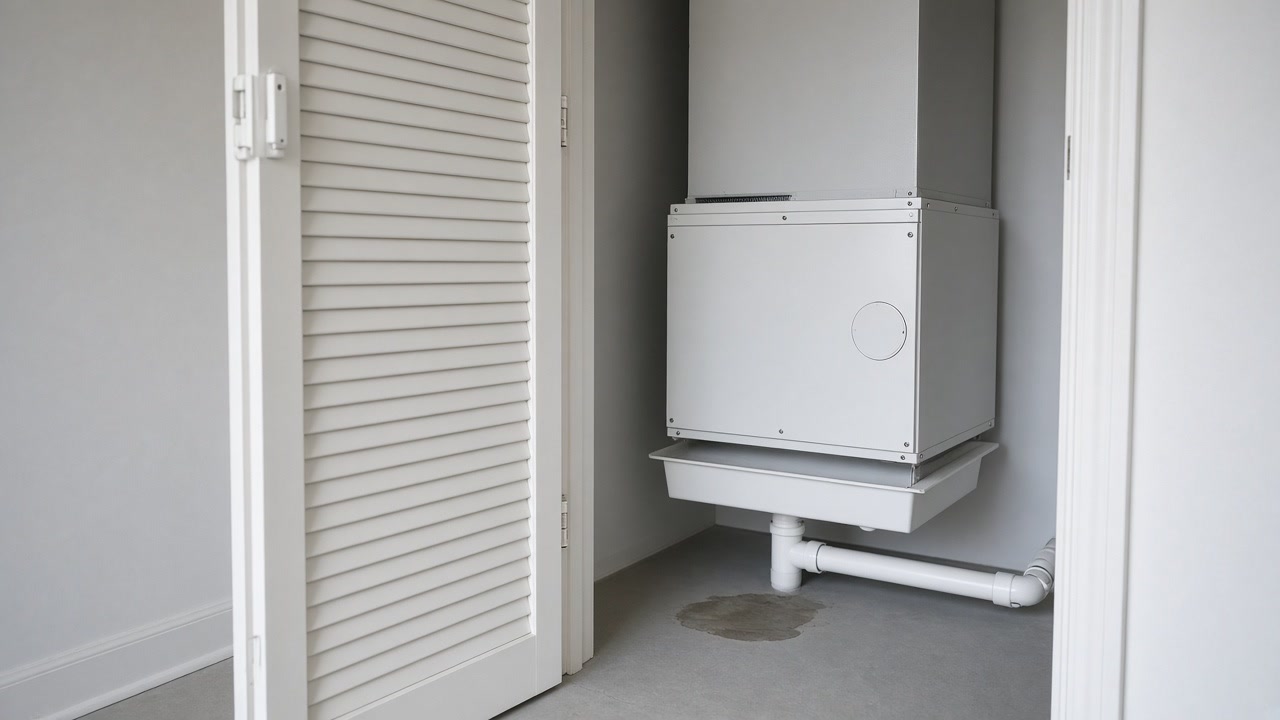
Drip pan clean, drain line flowing
You, or your air-conditioning contractorEPA names both. A blocked condensate line is a water source in every month of the year here.
Humidity meter left in view
YouA reading over 60 percent means the house is not being kept dry.
A named person checks on a schedule
A neighbor, family member or managerIncluding within a day of any storm or power outage.
Authority to act on a claim
You, before you leaveA power of attorney under chapter 709 is outside Florida's assignment ban, per section 627.7152(11).
Most of this costs the price of a humidity meter and a conversation with whoever holds the key.
Why a closed Miami-Dade house gets damp with nothing leaking
A musty smell on the day you come back does not need a burst pipe behind it. EPA's mold course says one job of a building's air conditioning system is to remove moisture from the air before it is distributed through the building, and that if the system is turned off during or shortly after heavy water use, the humidity may rise greatly and moisture or mold problems may develop. In this county the air conditioner is the house's dehumidifier. Switch it off to save on the bill, or lose it to an outage, and nothing else in the house is doing that job.
Miami International's dew point, month by month
The outdoor air explains why. Over a 40 year record at Miami International Airport the mean dew point runs from 60.4F in January to 75.6F in August, with every month from May to October at 69.9F or higher and an annual mean of 68.5F. Dew point is a measure of how much water the air is actually carrying, and air carrying this much does not dry a house by being let in. Opening the windows while you pack trades conditioned air for wetter air. Drying here depends on mechanical dehumidification, which in most homes means the air conditioner running.
The Miami-Dade months you are away are the wet ones
The 1991 to 2020 normals for Miami International give 67.41 inches of rain a year, and 51.64 inches of it, about 77 percent, falls from May through October. June and September are the wettest months, and the station averages 141 days a year with measurable rain. The same normals count 4,659 cooling degree days a year against 104 heating degree days, with no month below 156. The air conditioner and its condensate drain run every month of the year, and a house closed for the summer goes unwatched through the half of the year that brings three quarters of the rain.
Aventura, Key Biscayne and Miami Beach sit partly empty every year
Seasonal homes are not a small corner of this county. The Census Bureau's 2020 to 2024 estimates count 50,471 Miami-Dade housing units vacant for seasonal, recreational or occasional use. In Aventura that is 30.0 percent of all housing units, in Key Biscayne 23.7 percent and in Miami Beach 21.2 percent. In a building where a fifth to nearly a third of the homes may be closed up, the unit above yours may have nobody in it to notice a dripping air handler, which is one more reason to leave someone a key and a written instruction.
Setting up a Miami-Dade home before you lock the door
Four things, most of them cheap. Leave the air conditioning on at a set point rather than off. Put a humidity meter where the person checking the house will see it: EPA says one costs about $10 to $50 at many hardware stores, and advises keeping indoor humidity below 60 percent, ideally between 30 and 50. Keep the air conditioning drip pan clean and the drain line unobstructed and flowing, both of which EPA names. And arrange for someone to walk the house on a schedule, with an instruction to tell you about any reading over 60 percent. If that person may need to deal with an insurance claim, note that the assignment ban in section 627.7152 does not apply to a chapter 709 power of attorney granted to a family member or management company; ask a lawyer or your agent whether one suits you.
What the Irma outage record means for an empty Miami-Dade house
Plan for the air conditioning to stop. A Florida Public Service Commission report on hurricane restoration records a peak of 919,340 electric accounts out in Miami-Dade during Hurricane Irma in September 2017, 80.9 percent of the county's accounts. An outage on that scale removes humidity control from most homes at once, and EPA's window for drying anything wet is 24 to 48 hours. The practical step is naming, in advance, who will open the house after a storm and how it will be dried without counting on power coming back quickly. A flood policy is no help with mold from a cooling failure on its own: the NFIP dwelling form excludes loss from power or cooling failure unless flood damaged that equipment at the property.
Coming back to a musty Miami-Dade home in October
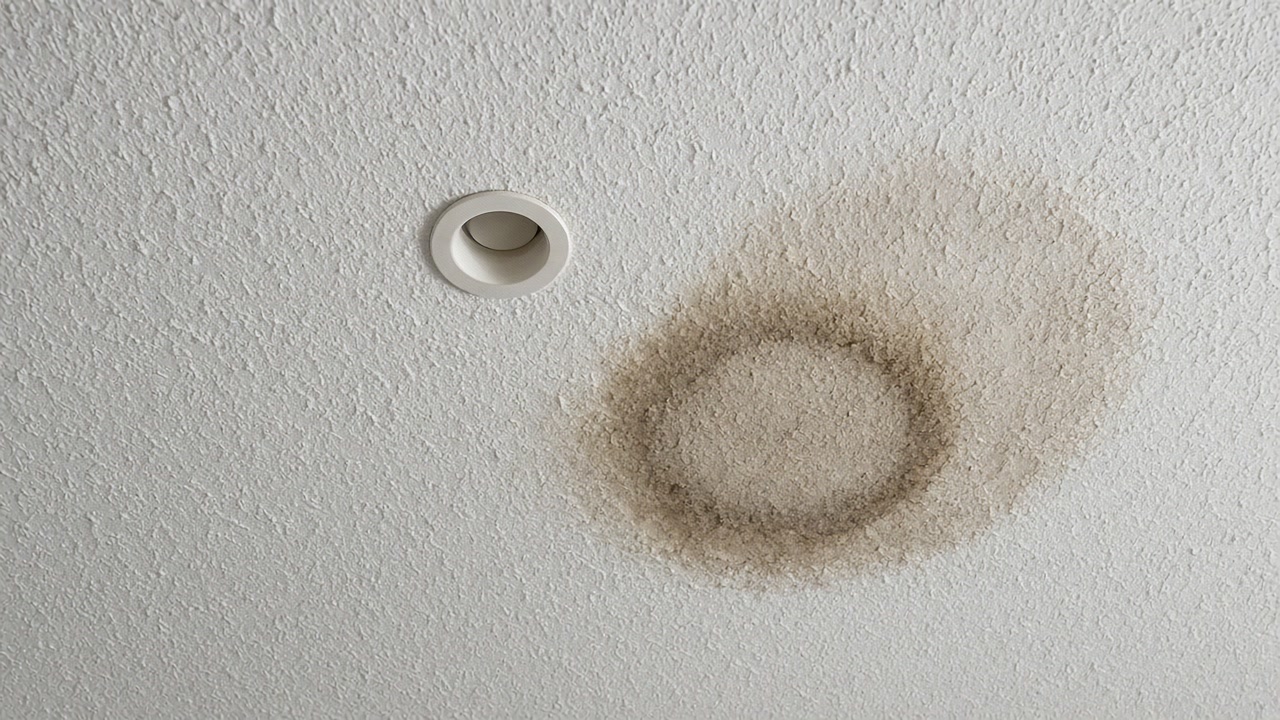
Read the humidity meter first, then look where water gathers: the AC closet and air handler, the drip pan, under the sinks and behind the refrigerator. A small patch you can see, under about 10 square feet, is something EPA says most people can clean themselves once the moisture is dealt with. A smell with nothing visible, growth larger than that, or a stain running toward a neighbor's unit is where a licensed assessor finding the source earns the fee. Tell us in the form how long the home was closed and whether the air conditioning ran, and the reply says which of those you are looking at.
Sources used in this guide
EPA's mold course says one function of a building's heating, ventilation and air conditioning system 'is to remove moisture from the air before the air is distributed throughout the building', and that if the system is turned off during or shortly after heavy water use, 'the humidity may rise greatly, and moisture or mold problems may develop.' It also says wet buildings and materials must be dried 'within 24-48 hours' to avoid mold growth.
Source: US Environmental Protection Agency, Mold Course Chapter 2: Investigating, Evaluating, and Remediating Moisture and Mold Problems, accessed 2026-09-23
At Miami International Airport the mean dew point over a 40-year period of record, in degrees F, is: January 60.4, February 62.2, March 63.2, April 65.8, May 69.9, June 74.2, July 75.1, August 75.6, September 75.0, October 71.3, November 66.8, December 63.0, with an annual mean of 68.5.
Source: NOAA National Centers for Environmental Information, 2023 Local Climatological Data Annual Summary with Comparative Data, MIAMI, FLORIDA (KMIA), WBAN 12839, accessed 2026-09-23
The 1991 to 2020 normals for Miami International give 4,659 cooling degree days a year against 104 heating degree days, with no month below 156 cooling degree days. Normal annual precipitation is 67.41 inches, of which 51.64 inches, about 77 percent, falls from May through October; June (10.51 inches) and September (10.22 inches) are the wettest months, and the station averages 141 days a year with measurable precipitation.
Source: NOAA National Centers for Environmental Information, 2023 Local Climatological Data Annual Summary with Comparative Data, MIAMI, FLORIDA (KMIA), WBAN 12839, accessed 2026-09-23
The ACS 2020 to 2024 estimates count 50,471 housing units in Miami-Dade County vacant 'For seasonal, recreational, or occasional use', about 4.6 percent of all units. In Miami Beach the count is 13,380 (21.2 percent of all housing units), in Aventura 7,910 (30.0 percent) and in Key Biscayne 1,736 (23.7 percent).
Source: US Census Bureau, American Community Survey 2020 to 2024 5-year estimates, table B25004 Vacancy Status, accessed 2026-09-23
EPA advises: 'If possible, keep indoor humidity below 60 percent (ideally between 30 and 50 percent) relative humidity', notes that a humidity meter costs about $10 to $50 at many hardware stores, and advises keeping 'air conditioning drip pans clean and the drain lines unobstructed and flowing properly.'
Source: US Environmental Protection Agency, A Brief Guide to Mold, Moisture and Your Home, accessed 2026-09-23
Section 627.7152(11) says the section does not apply to 'A power of attorney under chapter 709 that grants to a management company, family member, guardian, or similarly situated person of an insured the authority to act on behalf of an insured as it relates to a property insurance claim.'
Source: The Florida Senate, 2025 Florida Statutes, Chapter 627, section 627.7152(11), accessed 2026-09-23
A Florida Public Service Commission report on utility hurricane preparedness and restoration, published in 2018, gives a peak of 919,340 electric accounts out in Miami-Dade County during Hurricane Irma in September 2017, 80.9 percent of accounts in the county.
Source: Florida Public Service Commission, Review of Florida's Electric Utility Hurricane Preparedness and Restoration Actions (2018), Appendix B, accessed 2026-09-23
EPA: 'It is important to dry water-damaged areas and items within 24-48 hours to prevent mold growth.' And: 'If the moldy area is less than about 10 square feet (less than roughly a 3 ft. by 3 ft. patch), in most cases, you can handle the job yourself'; where there has been a lot of water damage or growth covers more than 10 square feet, EPA points readers to its guidance for larger buildings.
Source: US Environmental Protection Agency, A Brief Guide to Mold, Moisture and Your Home, accessed 2026-09-23
The NFIP Standard Flood Insurance Policy Dwelling Form (44 CFR Part 61, Appendix A(1)) does not insure 'Water, moisture, mildew, or mold damage that results primarily from any condition' within the insured's control, including 'Failure to inspect and maintain the property after a flood recedes'. It also excludes loss from 'Power, heating, or cooling failure unless the failure results from direct physical loss by or from flood to power, heating, or cooling equipment on the described location.'
Source: US Government Publishing Office, Code of Federal Regulations, 44 CFR Part 61 Appendix A(1), Dwelling Form (October 1, 2025 edition), accessed 2026-09-23
Services this guide relates to
Need someone to look at it?
Send the details and we will come back to you.